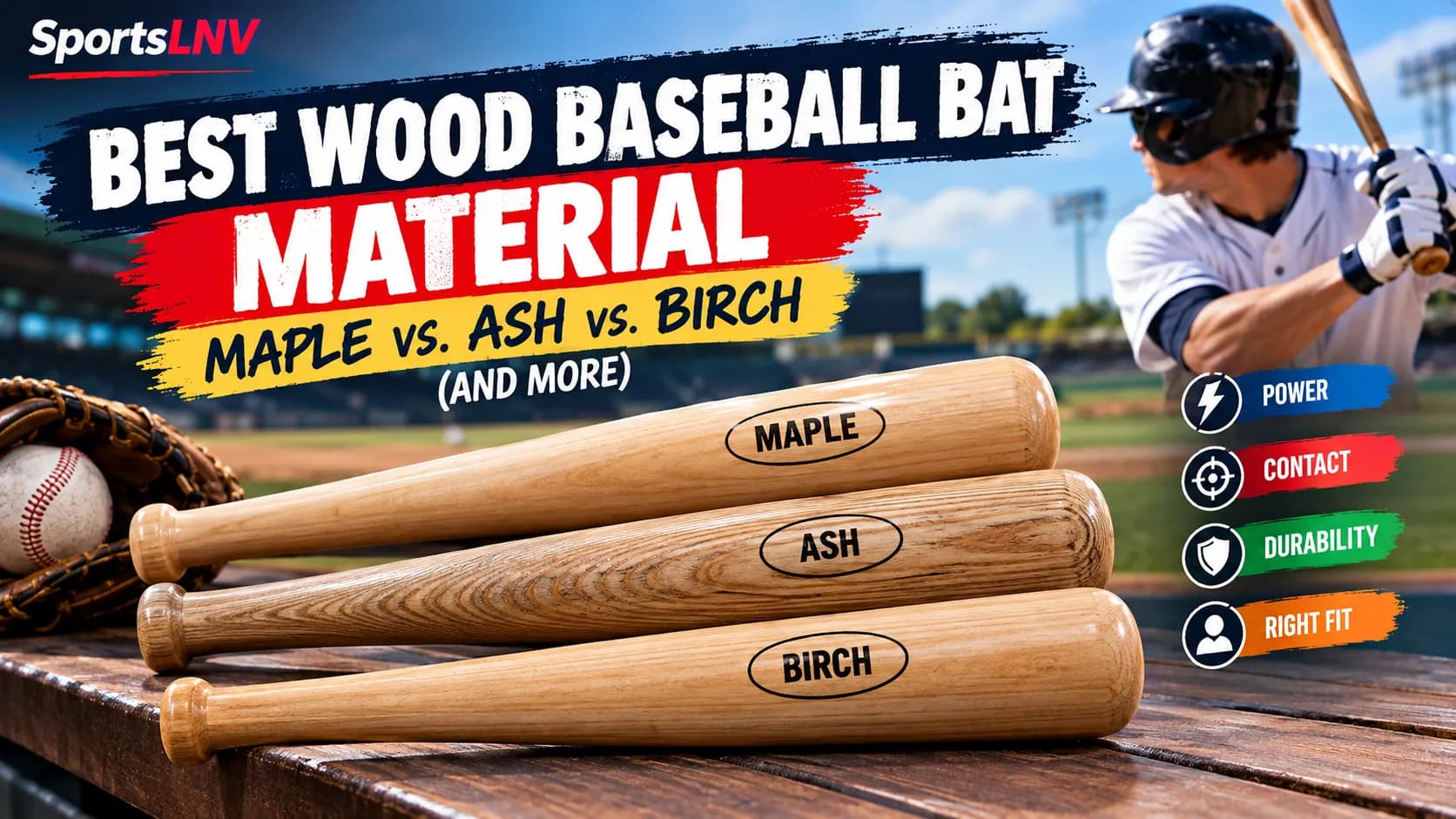
The best wood for a baseball bat is maple for most experienced hitters, ash for players who want more flex and a more forgiving feel, and birch for anyone who wants a little of both. Maple is the hardest and most popular, swung by more than 80% of big leaguers. Ash is lighter-feeling and gives more on contact. Birch sits right between them and is the easiest of the three to own.
There isn't one "best" wood for everybody. A 6-foot-2 high school slugger who squares up 85 mph fastballs and a 13-year-old swinging wood in the cage for the first time need different things from a bat.
I've swung all of them, cracked plenty of them, and watched the big leagues go from ash country to maple country in about ten years. Here's how each wood actually plays, what the bat makers don't put on the label, and how to pick the right one for your hitter.
Every Bat Wood Compared
Hardness is a big part of how a bat plays. Wood scientists measure it with the Janka test, which records the force needed to press a steel ball into the wood. A higher number means a harder surface.
| Wood | Janka Hardness (lbf) | Feel | How It Usually Breaks | Best For | MLB-Legal |
|---|---|---|---|---|---|
| Maple (hard/sugar) | 1,450 | Hard, stiff, solid | Can snap or shatter if the grain is poor | Power hitters, experienced players | Yes |
| Ash | 1,320 | Flexible, whippy | Flakes and splinters along the grain | Contact hitters, players new to wood | Yes |
| Birch | 1,260 | Between maple and ash; hardens with use | Flakes rather than shatters | All-around hitters, first wood bat | Yes |
| Beech | Not widely published for bats | Similar to maple | Varies | Rare; a handful of pro players | Yes |
| Hickory | 1,820 | Very hard and very heavy | Rarely breaks | History buffs; too heavy for most hitters today | Yes, but almost never used |
| Bamboo | 1,380 (varies by product) | Stiff; built from glued strips | Very durable | Practice and training | No; laminated bats aren't approved |
| Composite wood | Varies | Wood feel with a reinforced core | Built to resist breaking | Practice, some wood-bat leagues | No |
Janka figures are based on Stair Supplies' wood hardness chart. Beech's approval for MLB use is noted by Scientific American.
One thing that table doesn't show: the species matters, but the quality of the individual piece of wood matters just as much. A pro-grade ash bat will outlast a cheap maple bat every time. More on that below.
Maple: The Big League Favorite
Maple is the most popular wood bat material in baseball, and it isn't close. Sam Bat, the company that started the maple boom, estimates that more than 80% of major leaguers swing maple, according to SABR's history of the maple wood revolution.
It hasn't always been on top. Ash ruled the game for most of the 20th century. Then in the late 1990s, an Ottawa stagehand named Sam Holman started turning maple bats. Barry Bonds picked one up and hit 73 home runs with maple in 2001, and the rest of the league followed.
Why Hitters Love Maple
- Hard surface: Maple is the hardest of the three main bat woods. Its firm hitting surface doesn't compress much on contact, so more of the swing's energy goes into the ball.
- Durable barrel: A dense maple barrel doesn't flake or soften as quickly as ash.
- Consistent feel: Maple feels solid from the first swing to the last.
What Can Go Wrong with Maple?
Maple has one big weakness. When it breaks, it doesn't always just crack. A low-quality maple bat can shatter into jagged pieces that go flying. In 2008, MLB and the U.S. Forest Service studied more than 2,200 broken bats and traced the problem to grain that ran at too steep an angle and to low-density maple. MLB banned low-density maple, and broken bats dropped by more than half, according to SABR.
Maple also has less flex than ash, so mishits sting more. A hitter who catches a maple bat off the end on a cold night will know it.
The bottom line on maple: It's the best choice for a strong, experienced hitter who barrels the ball consistently, as long as it comes from a quality maker with straight grain.
Ash: The Old-School Standard
Ash was the wood behind most of baseball's legends. Louisville Slugger has sourced its white ash from a small stretch of northern Pennsylvania and New York for more than a century, according to Scientific American.
Why Hitters Still Love Ash
- Flex: Ash bends a little on contact, which gives it a whippy feel. Many hitters say it feels like the ball jumps off the barrel.
- Forgiving: That flex makes mishits less painful than with maple, which is a big deal for players just making the switch to wood.
- Lighter feel: Ash is less dense than maple, so a bat of the same weight can have a bigger barrel.
- Grain you can see: Ash has wide, visible grain lines, so it's easy to hit with the grain facing the right way.
The Downsides of Ash
Ash is a softer, more porous wood. With heavy use, the grain lines start to separate and flake, especially if the hitter keeps making contact on the wrong side of the barrel. An ash bat that's starting to flake is on its way out.
Supply is the other problem. The emerald ash borer, an invasive beetle first found near Detroit in 2002, has killed hundreds of millions of ash trees across the U.S. and Canada. Good bat-grade ash is harder to find than it used to be, according to Scientific American.
The bottom line on ash: It's a great choice for contact hitters, players who like a little whip in the barrel, and anyone moving from metal to wood for the first time.
Birch, Bamboo, and Composite Wood
Birch: The Best of Both Worlds
Birch is the middle ground between maple and ash. It has more flex than maple, so mishits sting less, but it's denser than ash, so it doesn't flake as quickly. Birch also has a reputation for getting harder as it's used, because the surface compresses with each hit. Yellow birch is used by about 5% of big leaguers, according to Scientific American.
Birch is my pick for most players buying their first serious wood bat. It's forgiving enough to learn on and durable enough to last.
Bamboo: The Practice Workhorse
Bamboo bats are made from strips of bamboo glued and pressed together. They're extremely durable and are famous for lasting a long time in batting cages. Because they're laminated rather than one solid piece, they aren't legal in MLB under Rule 3.02, according to the Official Baseball Rules, Rule 3.02.
Some bamboo models carry a BBCOR stamp, so they can be used in high school and college, but always check the bat and applicable league rules.
Composite Wood: Built Not to Break
Composite wood bats wrap a wood shell around a reinforced core or add composite layers to the handle. They feel like wood and are much harder to break, which makes them popular for practice and in some adult wood-bat leagues.
They aren't MLB-legal, and in leagues that use the USA Baseball standard they need the USA Baseball mark, while solid one-piece wood bats don't, according to the USA Baseball bat FAQ.
For a player who takes hundreds of cage swings a week, a bamboo or composite wood bat can save a lot of money. Just don't expect it to feel exactly like a pro maple bat.
What Matters as Much as the Wood Species?
Two maple bats can be night and day apart. These are the things that separate a bat that lasts a season from one that breaks in a week.
1. Straight Grain
Grain is the most important quality marker on any wood bat. A bat is strongest when the grain runs straight down its length, parallel to the barrel. When the grain runs at an angle, the bat has a built-in weak spot. MLB's broken-bat research found this was one of the main reasons maple bats shattered, as explained by Design News.
2. The Ink Dot
Since MLB's broken-bat crackdown, pro maple and birch bats carry a small ink dot on the handle. The ink bleeds along the wood fibers, letting anyone check the grain quickly, according to Design News.
If you're buying a maple or birch bat and see that dot, it's a good sign the wood was graded the same way the pros' bats are. Plenty of youth and practice bats skip it.
3. Density and Weight
Denser wood is harder and more durable. MLB banned low-density maple after its 2008 study for that reason, according to SABR. In general, a heavier billet of the same species makes a stronger bat. That's why pro-grade bats can feel heavier than cheap ones of the same length.
4. Wood Grade
Most bat makers sell more than one grade, often labeled something like "pro," "MLB grade," or "amateur." Higher grades come from denser billets with straighter grain and cost more. For a high school player using wood in games, the extra $40 to $80 for a pro-grade bat usually pays for itself in fewer broken bats.
5. Hit with the Logo Facing Up or Toward You
Wood bats have a strong side and a weak side. Bat makers put the logo so that if the hitter holds the label facing up or toward themselves, contact happens on the strongest part of the grain. Hit on the logo itself and you're asking for a crack.
6. Finish
A finish doesn't make the ball go farther, but a hard finish helps protect the surface and keep moisture out. Some players also "bone" their bats, rubbing the barrel with a hard object to compress and harden the surface, which is especially common with ash.
Which Wood Should You Choose?
Here's a practical recommendation for each type of hitter.
| Hitter | Best Wood | Why |
|---|---|---|
| Youth player trying wood for the first time | Birch or ash | Forgiving and less sting |
| Contact hitter who sprays the ball | Ash or birch | Flex and whip through the zone |
| Power hitter who barrels the ball | Maple | Hardest surface, most consistent pop |
| High school player using wood in summer ball | Pro-grade maple or birch | Durable enough for game use |
| Player on a budget who swings wood in the cage every day | Bamboo or composite wood | Lasts far longer in practice |
| Adult wood-bat league player | Maple or birch | Check the league's rules on composite wood first |
| Cold-weather player | Birch or ash | More flex means fewer stingers on cold nights |
If you're still unsure, start with birch. It's the safest middle-of-the-road choice. Once a player knows whether they like a stiff or whippy feel, they can move to maple or ash.
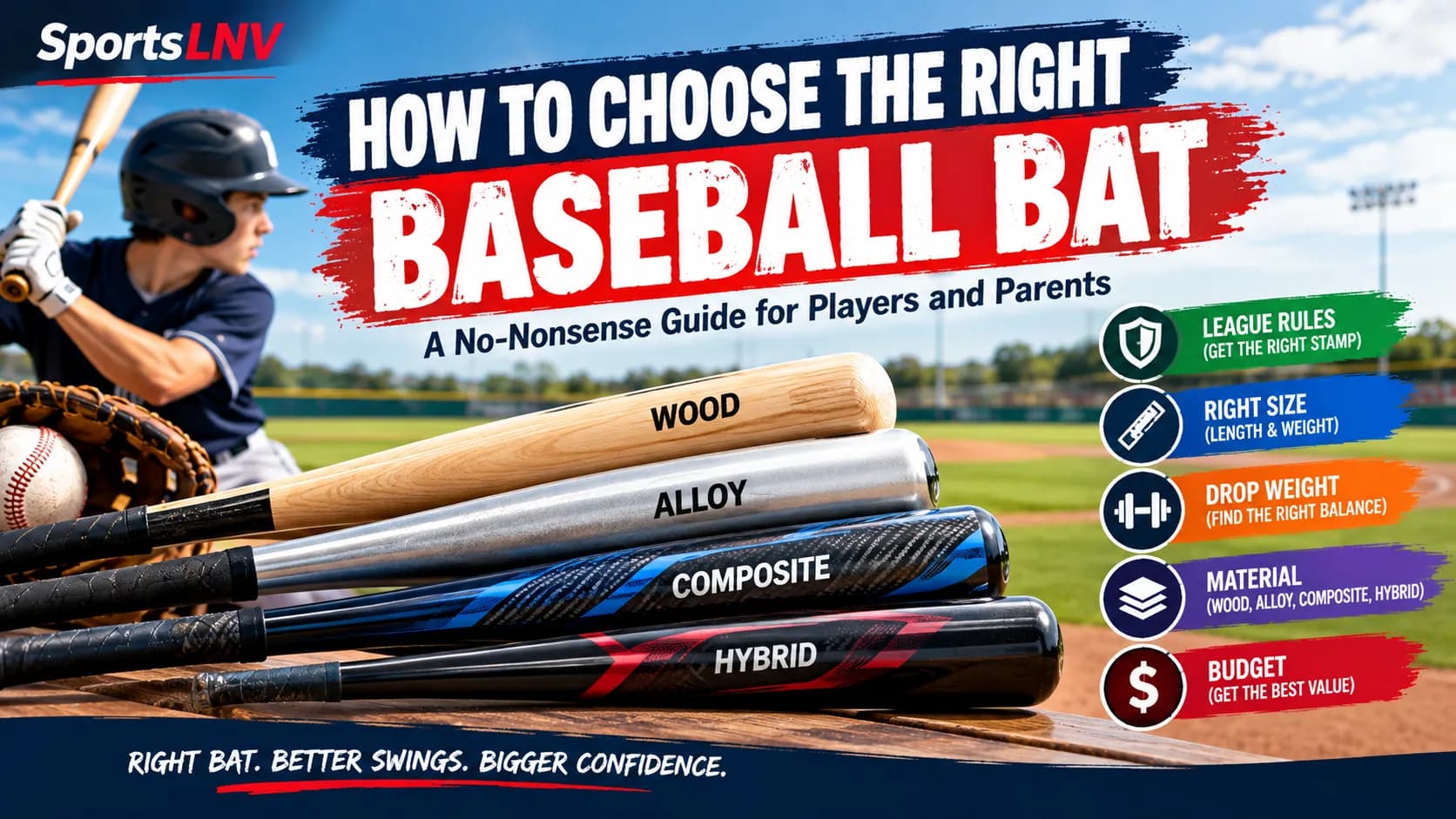
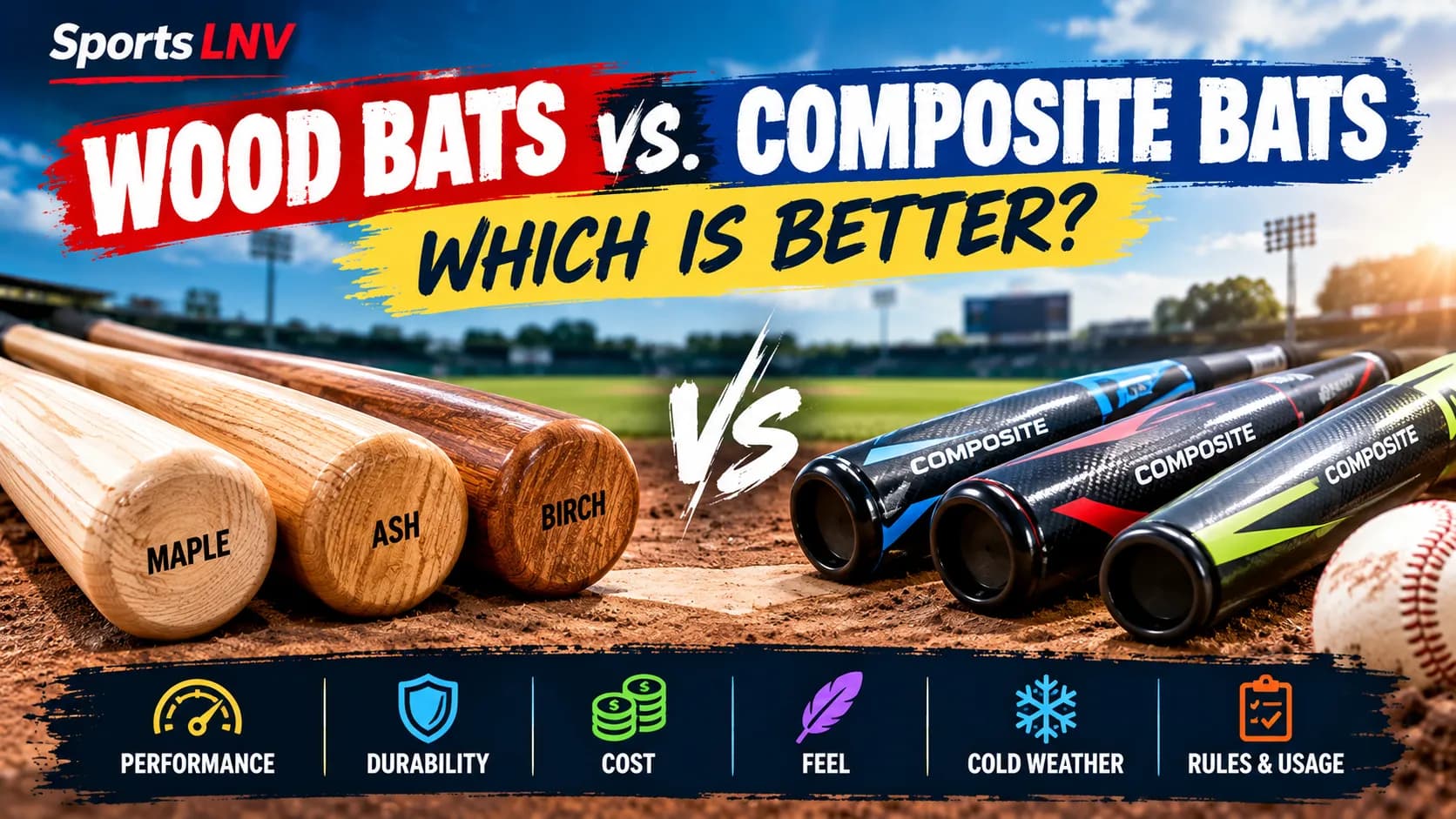
Shopping for a game bat instead? See our guides on how to choose the right baseball bat and on wood bats vs. composite bats.
Wood Bat Material FAQs
What Is the Best Wood for a Baseball Bat?
Maple is the best wood for most experienced and power hitters because it's the hardest and most durable. Ash is best for players who want more flex, and birch is the best middle-ground choice.
What Wood Do MLB Players Use?
Mostly maple. More than 80% of major leaguers swing maple, while the rest use ash, birch, or occasionally beech.
Is Maple or Ash Better for a Baseball Bat?
Maple is better for hitters who want a hard, consistent surface and maximum durability. Ash is better for players who want a lighter-feeling, whippier bat with a more forgiving feel on mishits.
Is Birch a Good Wood for a Bat?
Yes. Birch combines some of maple's hardness with some of ash's flex, and it's less likely to shatter than maple. It's a great first wood bat.
Are Bamboo Bats Good?
Bamboo bats are excellent for practice because they're extremely durable. They aren't legal in MLB, and some leagues don't allow them, so check before using one in a game.
Why Do Maple Bats Shatter?
Most shattered maple bats have poor grain or low-density wood. MLB cut shattered bats by more than half after requiring better grain and banning low-density maple.
Why Don't More Players Use Ash Anymore?
Maple took over after Barry Bonds hit 73 home runs with it in 2001. The emerald ash borer has also destroyed huge numbers of ash trees, making bat-grade ash harder to find.
How Long Does a Wood Bat Last?
It depends on the wood, the grade, and how it's used. A pro-grade maple or birch bat used mostly off a tee and in soft toss can last a long time, while any wood bat can break on a single jam shot in a game.
The Bottom Line
Maple is the best wood baseball bat material for strong, experienced hitters, and it's what the vast majority of big leaguers swing. Ash is the better pick for contact hitters and anyone who likes a whippy feel. Birch is the safest all-around choice and the one I'd hand most players for their first serious wood bat.
Whatever species you choose, buy straight grain from a reputable maker, look for the ink dot on maple and birch, and hit with the logo facing up. A quality bat in the "wrong" wood will outperform a cheap bat in the "right" wood every time.