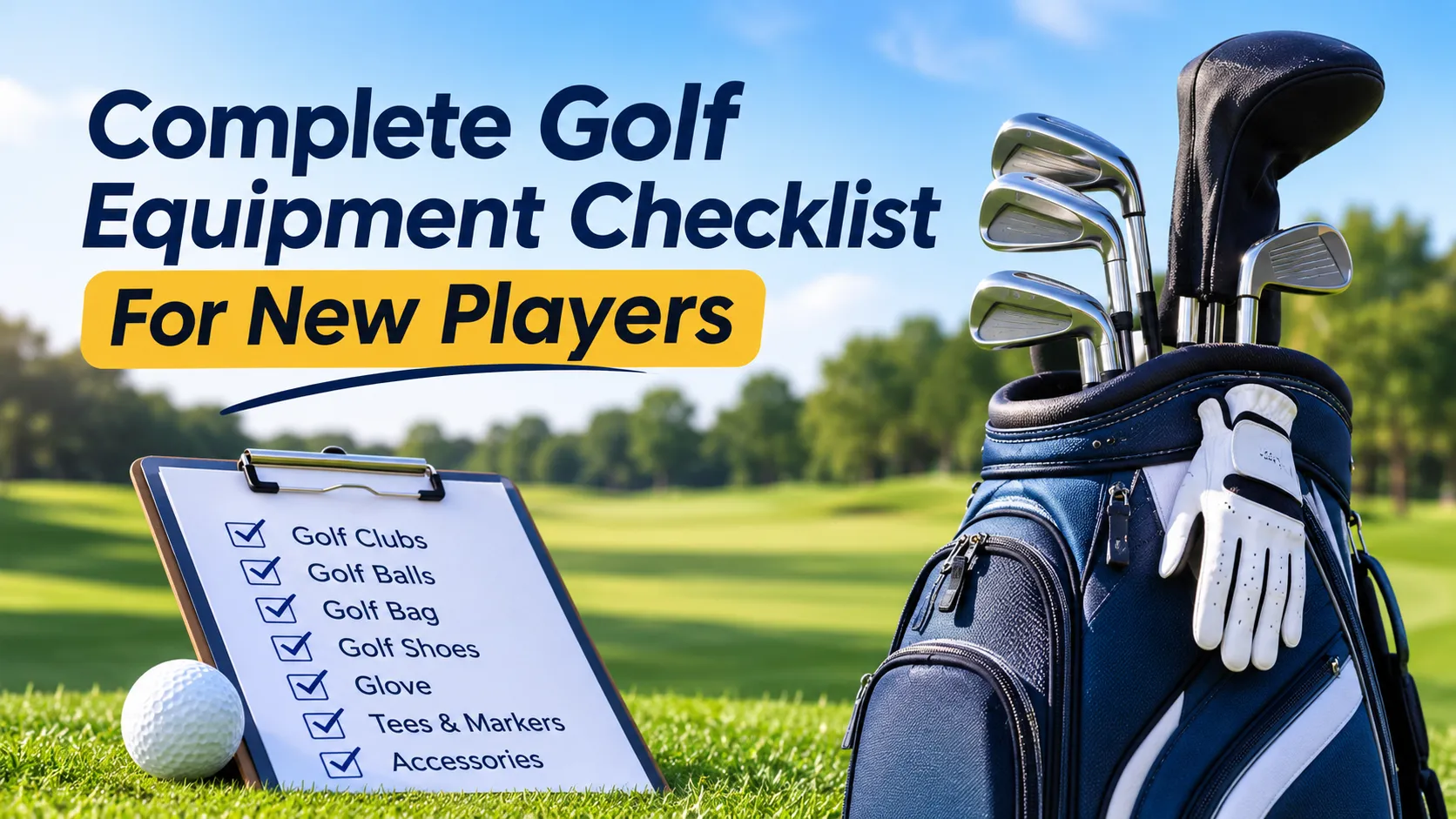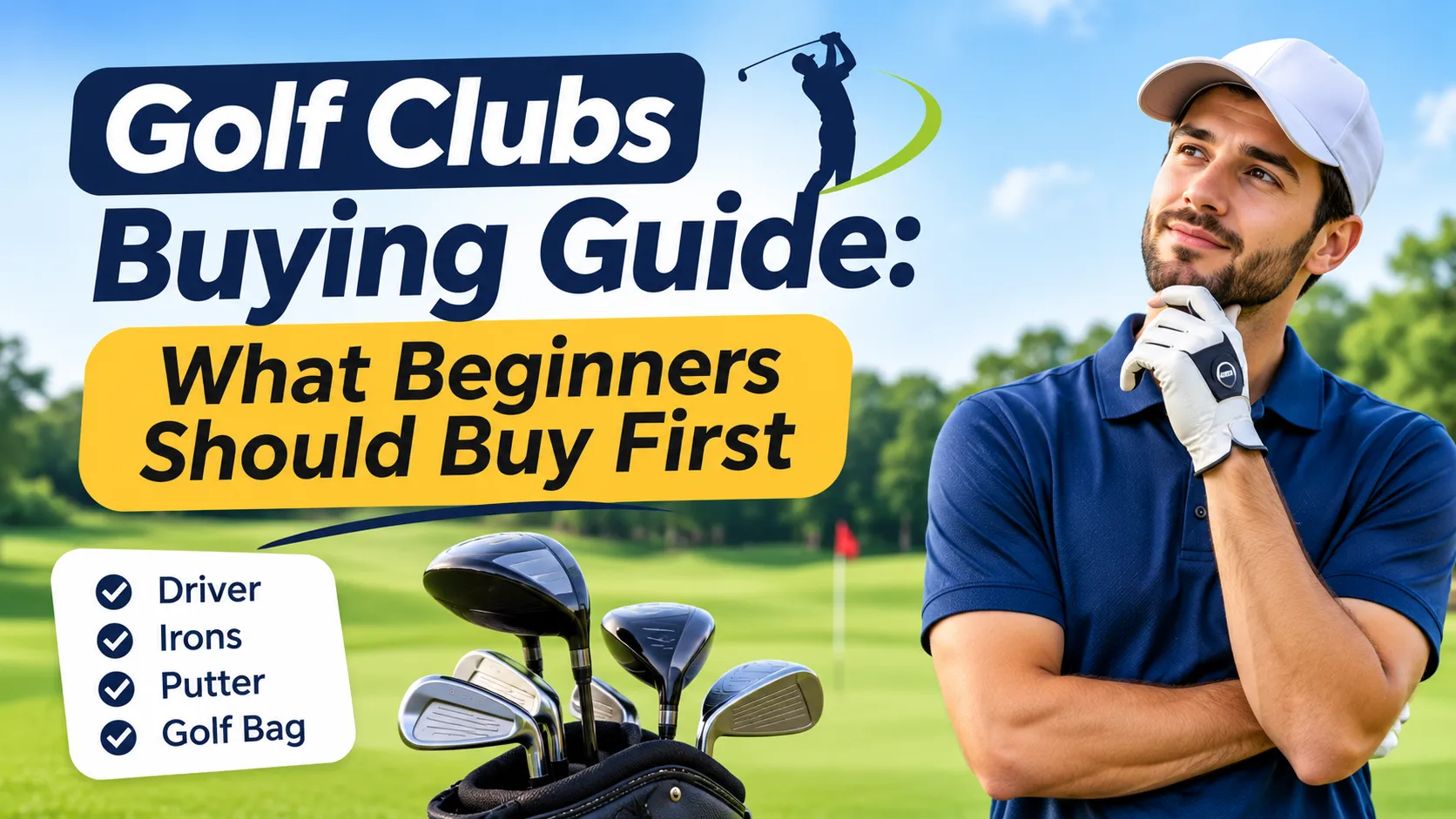
Buying your first golf clubs can feel overwhelming, especially when you are unfamiliar with the different club types, features, and price ranges. The best approach is to start with a simple, forgiving set that covers the basic shots without spending money on equipment you may not need yet. Beginners should prioritise a driver or fairway wood, a hybrid, a few irons, a pitching wedge, a sand wedge, and a putter. If you are preparing for your first round, this Complete Golf Equipment Checklist For New Players can also help you understand the other essentials to carry.
This golf clubs buying guide explains what beginners should buy first, which clubs are easiest to learn with, how to choose the right specifications, and where to save money. Whether you are purchasing a complete starter set or selecting individual clubs, the goal is to build a practical golf bag that supports your progress.
1. How Many Golf Clubs Does a Beginner Need?
Beginners do not need to purchase all 14 clubs allowed under the Rules of Golf. A smaller set of approximately 7 to 10 clubs is generally enough to learn the game and cover the most common situations on the course.
Carrying fewer clubs can make it easier to understand which club to use for each shot. It can also reduce your initial spending and help you focus on improving your swing rather than choosing between too many options.
A practical beginner golf club setup may include:
- Driver: Used for long-distance tee shots.
- Fairway wood or hybrid: Helps with longer shots from the fairway or tee.
- 7-iron: A useful club for learning full swings and practising approach shots.
- 8-iron and 9-iron: Used for shorter approach shots and distance control.
- Pitching wedge: Helps with approach shots and shorter shots around the green.
- Sand wedge: Useful for bunker shots and higher short-game shots.
- Putter: Used to roll the ball towards the hole on the putting green.
You can add more clubs as your swing becomes consistent and you identify distance gaps in your game. Remember that 14 clubs is the maximum permitted during a round, not a target that every beginner must reach.
2. Which Golf Clubs Should Beginners Buy First?
The best way to build your first golf bag is to purchase clubs that cover different types of shots. You do not need to buy every club at once. Start with the essentials and gradually expand your collection as your confidence improves.
1. Putter: Start with a Reliable Putter
A putter is one of the most important clubs in golf because you use it on the putting green to roll the ball into the hole. Beginners often focus heavily on drivers and long-distance shots, but putting is an essential part of learning to play consistently.
When choosing your first putter, consider the following features:
- Comfortable length: The putter should allow you to stand naturally with your eyes in a comfortable position over the ball.
- Alignment markings: Clear alignment lines can help you aim towards your target.
- Balanced feel: Choose a putter that feels comfortable during your putting stroke.
- Suitable head design: A mallet putter often provides a larger head and visible alignment features, while a blade putter has a more traditional, compact design.
Beginners can try both blade and mallet putters before purchasing. The best option is the one that feels natural and helps you maintain a consistent putting stroke.
2. Irons: Buy a Few Forgiving Irons
Irons are used for approach shots, medium-distance shots, and hitting the ball towards the green. They are essential for developing accuracy and learning how to control distance.
Instead of buying a complete iron set immediately, beginners can start with a few useful clubs, such as a 7-iron, 8-iron, and 9-iron. These clubs provide a practical starting point for practising different distances and improving ball contact.
Look for cavity-back or game-improvement irons. These designs generally have features intended to make off-centre strikes more forgiving than traditional blade-style irons.
Important features to consider include:
- Wide or moderately wide sole for easier turf interaction.
- Forgiving clubhead design to help with inconsistent contact.
- Comfortable grip size and feel.
- Suitable shaft length, weight, and flex.
- Consistent distance gaps between the irons you choose.
3. Hybrid Club: A Beginner-Friendly Alternative to Long Irons
A hybrid combines design features of fairway woods and irons. It is often easier for beginners to launch than a traditional long iron, making it a useful club for longer shots from the fairway, rough, or tee.
Many new golfers struggle with 3-iron, 4-iron, and sometimes 5-iron shots because these clubs can require consistent contact and sufficient swing speed. A hybrid can provide a more approachable alternative.
When choosing a hybrid, consider its loft, shaft, clubhead size, and how its distance fits between your other clubs. A 4-hybrid or 5-hybrid can be a useful starting point, depending on your existing equipment and swing.
4. Pitching Wedge and Sand Wedge: Build Your Short Game
Wedges help you play shorter shots where distance control and accuracy are important. They are particularly useful when approaching the green, hitting from the rough, or escaping a bunker.
Beginners should consider starting with two basic wedges:
- Pitching wedge: Used for shorter full swings, approach shots, and certain chip shots.
- Sand wedge: Designed for bunker shots and higher shots around the green.
You can consider adding a gap wedge or lob wedge later when you become more comfortable controlling distances. Buying several specialised wedges immediately is not necessary for most new players.
5. Driver: Choose a Forgiving Club for Tee Shots
A driver is designed for long-distance tee shots and usually has the largest clubhead in a golfer's bag. It can be exciting to purchase your first driver, but beginners should focus on forgiveness, launch, and control instead of choosing a club simply because it promises maximum distance.
Look for a driver with a forgiving clubhead, a suitable loft, and a shaft that matches your swing speed. Many beginners benefit from trying higher-lofted options because they can make it easier to launch the ball into the air.
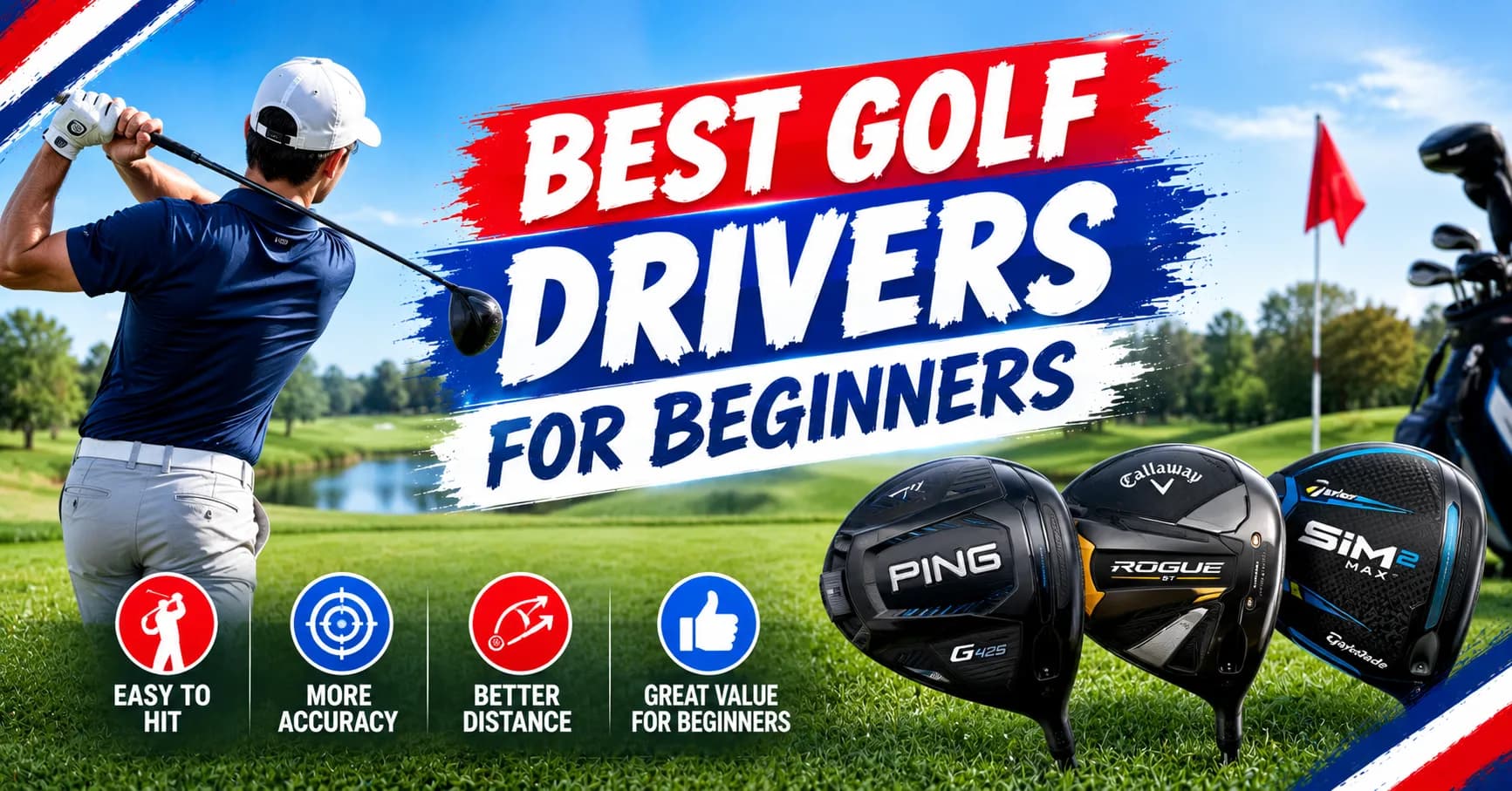
Before making a purchase, compare the Best Golf Drivers For Beginners to understand which features can help new players find a suitable model. Avoid selecting a driver based only on professional golfers' equipment or the longest advertised distance.
6. Fairway Wood: Add One for Longer Shots
A fairway wood is designed for longer shots from the fairway and can also be used from the tee. A 5-wood is often a practical option for beginners who want an additional distance club without immediately purchasing several long irons.
When comparing fairway woods, consider how easily you can hit the club from the ground, its loft, and whether its distance overlaps with your driver or hybrid. If you already have a hybrid that covers your longer shots, you may not need a fairway wood immediately.
3. Should Beginners Buy a Complete Golf Club Set or Individual Clubs?
One of the first decisions when buying golf clubs is whether to purchase a complete beginner set or select each club separately. Both approaches have advantages, and the right choice depends on your budget, experience, and equipment requirements.
Complete Beginner Golf Club Set
A complete starter set usually includes a selection of clubs and a golf bag. Some packages also include a driver, fairway wood, hybrid, irons, wedges, and putter.
Advantages:
- Convenient way to purchase several essential clubs together.
- Often provides better overall value than buying every item separately.
- Club designs and specifications are generally intended to work as a set.
- Suitable for people who want to start practising without researching every individual club.
Disadvantages:
- Some sets may include clubs that beginners rarely use.
- Available shaft and length options may be limited.
- Club quality and construction can vary between packages.
- You may eventually want to replace individual clubs as your skills improve.
Buying Individual Golf Clubs
Buying clubs separately allows you to choose specific models and specifications. This can be useful if you already understand your preferences or have received advice from a golf instructor or club fitter.
Advantages:
- More flexibility when selecting clubhead designs and shafts.
- You can prioritise the clubs you use most frequently.
- It is easier to upgrade individual clubs over time.
- You can avoid paying for equipment you do not need.
Disadvantages:
- Purchasing individual clubs can become more expensive.
- Choosing compatible specifications requires more research.
- Beginners may find the number of available options confusing.
Which should you choose? If you are completely new to golf, a good-quality beginner package set is often the simpler starting point. If you prefer to build your own bag, buy a few essential clubs first and add more when you understand your playing requirements.
4. What Features Should Beginners Check Before Buying Golf Clubs?
Golf clubs are available in different lengths, weights, lofts, shaft materials, and head designs. These specifications affect how a club feels and performs. Beginners should understand the basic features before making a purchase.
Clubhead Design and Forgiveness
Forgiveness refers to how a club performs when the ball is not struck perfectly in the centre of the clubface. New players often make inconsistent contact, so forgiving designs can help make learning more manageable.
For beginners, consider oversized or forgiving driver heads, cavity-back irons, and hybrids that are designed to help launch the ball.
Shaft Flex and Material
The shaft connects the grip to the clubhead and influences the feel of the club during the swing. Golf shafts are available in different flex options, including regular, stiff, and senior or more flexible profiles.
Beginners should not choose shaft flex based only on age or gender. Swing speed, tempo, strength, and individual comfort are more useful considerations. A golf professional or club fitter can help identify a suitable option.
Common shaft materials include:
- Steel shafts: Commonly used in irons and often provide a solid, controlled feel.
- Graphite shafts: Generally lighter and available in many driver, fairway wood, hybrid, and iron designs.
Club Length and Lie Angle
Club length and lie angle should suit your height, arm length, posture, and swing. Clubs that are too long or too short can make it difficult to establish a comfortable setup and consistent contact.
Beginners should avoid assuming that standard-length clubs will suit everyone. If possible, try the clubs before purchasing or ask a qualified fitter to check the specifications.
Grip Size and Comfort
The grip is the part of the club you hold during the swing. It should feel comfortable and allow you to hold the club without excessive tension. A grip that is too large or too small may affect comfort and how you control the clubface.
Check the grip condition when purchasing used clubs. Worn, cracked, or slippery grips may need replacing.
Loft and Distance Gaps
Loft is the angle of the clubface that influences the ball's launch. Drivers, irons, hybrids, and wedges have different lofts to help golfers cover different distances and shot types.
Beginners should focus on having a useful selection of clubs rather than trying to achieve specific professional distance numbers. As your swing improves, you can check the distance gaps between your clubs and adjust your set accordingly.
5. New vs Used Golf Clubs: Which Is Better for Beginners?
New and used golf clubs can both be good choices for beginners. Your decision should depend on your budget, the condition of the equipment, and whether the specifications suit your body and swing.
Buying New Golf Clubs
New clubs provide the advantage of unused grips, clubfaces, and shafts. They may also offer manufacturer warranties and more opportunities to select different specifications.
However, new equipment can be expensive, and beginners may not yet know which club designs they prefer. You do not need the latest premium models to learn the fundamentals.
Buying Second-Hand Golf Clubs
Used clubs can be a practical option if you want to keep your initial investment low. Older models in good condition may still provide the features needed to learn golf.
Before purchasing used equipment, check:
- Clubface condition and signs of excessive wear.
- Shafts for dents, cracks, or damage.
- Grips for wear, cracks, and loss of traction.
- Clubheads for loose components or unusual sounds.
- Club length and shaft specifications.
- Whether the set includes the clubs you actually need.
Whenever possible, test used clubs before purchasing them. Avoid buying equipment with damaged shafts or loose clubheads, even if the price seems attractive.
6. Common Golf Club Buying Mistakes Beginners Should Avoid
Buying the wrong equipment can increase your initial costs and make learning golf more frustrating. Keep these common mistakes in mind when choosing your first set.
- Buying all 14 clubs immediately: Start with a smaller selection and add clubs as you identify your needs.
- Choosing clubs only by brand: A famous brand does not automatically mean a particular club is suitable for your swing.
- Prioritising distance over forgiveness: Beginners should focus on consistent contact and control.
- Ignoring shaft specifications: Shaft weight and flex can affect how comfortable a club feels.
- Skipping the putter: Putting is an important part of golf, so choose a comfortable putter from the beginning.
- Buying too many specialised wedges: A pitching wedge and sand wedge are enough for many beginners.
- Purchasing equipment without testing it: Try different club types and compare their feel before making a decision.
- Spending the entire budget on clubs: Keep some money for practice, lessons, balls, shoes, and other essentials.
7. How Much Should Beginners Spend on Their First Golf Clubs?
The cost of a beginner golf setup depends on whether you choose new or used equipment, purchase a complete package, or build your bag individually. Prices also vary by brand, model, material, and retailer.
Instead of choosing a budget based on the most expensive equipment available, decide how much you are comfortable spending and prioritise the clubs that will help you learn.
| Purchase priority | Recommended equipment | Buying approach |
|---|---|---|
| Essential | Putter, a few irons, wedge | Choose comfortable, forgiving clubs. |
| Important | Driver or fairway wood, hybrid | Prioritise launch and control. |
| Useful | Additional irons and wedges | Add when you identify distance gaps. |
| Optional | Premium models and specialist clubs | Consider after gaining experience. |
A second-hand starter set in good condition may be sufficient for your first year. You can also compare package sets from different manufacturers to see which offers the most useful club selection for your budget.
Remember to leave room in your budget for lessons and regular practice. Learning proper grip, posture, alignment, and swing fundamentals can be more valuable than purchasing additional clubs before you know how to use them.
8. When Should Beginners Upgrade Their Golf Clubs?
You do not need to replace your golf clubs every year. A suitable beginner set can remain useful while you develop your technique and become more confident on the course.
Consider upgrading when:
- Your current clubs no longer suit your swing or physical requirements.
- You consistently notice distance gaps between your clubs.
- Your swing speed or ball-striking ability has changed significantly.
- Your grips, shafts, or clubheads are damaged or excessively worn.
- You have developed specific preferences for clubhead designs and shaft specifications.
- A club fitting identifies a clear benefit from different equipment.
For example, you may initially use a hybrid instead of a long iron. After improving your swing, you might decide to add another fairway wood or iron to cover a distance that your existing clubs cannot comfortably reach.
Upgrade based on your actual playing needs rather than following equipment trends or purchasing every new model released by a manufacturer.
9. Beginner Golf Club Buying Checklist
Use this checklist when visiting a golf shop or comparing starter sets online. It will help you focus on the most important features before making your purchase.
Essential Clubs
- Driver or suitable fairway wood
- One hybrid or another easy-to-hit long club
- 7-iron
- 8-iron and 9-iron
- Pitching wedge
- Sand wedge
- Putter
Features to Check
- Forgiving clubhead design
- Suitable shaft flex and weight
- Comfortable club length
- Appropriate grip size
- Useful loft and distance gaps
- Good overall condition
- Reasonable price within your budget
Before Making the Purchase
- Compare complete sets with individual clubs.
- Try different clubhead styles if possible.
- Check the included clubs and accessories.
- Review warranty and return policies for new equipment.
- Inspect used clubs carefully before paying.
- Ask a golf professional for advice if you are unsure about fit.
Once you have selected your clubs, you can complete the rest of your setup with a suitable golf bag, balls, tees, glove, and comfortable shoes. A practical equipment plan helps you avoid unnecessary purchases while preparing for your first rounds.
10. Choosing Golf Balls to Match Your First Set of Clubs
Golf clubs are only one part of your setup. You should also choose golf balls that match your current playing ability and budget. Beginners often lose balls while learning, so affordable and durable options are usually more practical than expensive tour-level models.
Consider two-piece golf balls or suitable low-compression options if you prefer a softer feel. The right choice depends on your swing speed, distance, feel preferences, and short-game requirements.
To compare ball construction, performance, and options for different experience levels, read our guide to Best Golf Balls For Different Skill Levels. Choosing suitable balls alongside beginner-friendly clubs can help you build a more practical and affordable golf setup.
Frequently Asked Questions About Buying Golf Clubs
1. What golf clubs should a beginner buy first?
Beginners should start with a putter, a few forgiving irons, a pitching wedge, a sand wedge, and a driver or fairway wood. A hybrid is also useful for longer shots. This selection covers many common situations without requiring a full 14-club set.
2. Is a complete golf club set worth buying for beginners?
Yes. A complete beginner set can be a convenient and cost-effective option because it usually includes several essential clubs and a golf bag. Check the club selection, quality, shaft specifications, and fit before purchasing.
3. Should beginners buy a driver or a hybrid first?
It depends on your current ability and practice needs. A hybrid is often easier to launch and control than a driver, while a driver is useful for long tee shots. Beginners can start with a hybrid and add a forgiving driver when they become more comfortable with their swing.
4. Are used golf clubs good for beginners?
Yes. Used golf clubs can offer good value if they are in suitable condition and match your physical requirements. Inspect the clubfaces, shafts, grips, and clubheads before buying, and try the equipment whenever possible.
5. How many golf clubs should a beginner carry?
A beginner can start with approximately 7 to 10 clubs. A practical selection includes a driver or fairway wood, a hybrid, a few irons, a pitching wedge, a sand wedge, and a putter. Golfers can carry up to 14 clubs under the Rules of Golf, but beginners do not need to fill every available space.
Conclusion: Buy the Clubs You Need, Not Every Club Available
The best golf clubs for beginners are forgiving, comfortable, and suitable for their current playing ability. Start with a putter, a few irons, a pitching wedge, a sand wedge, and a driver or hybrid. You can build your collection gradually as your swing improves and you understand the distances you need to cover.
Before purchasing, compare complete starter sets with individual clubs, check shaft and grip specifications, and test different designs whenever possible. Avoid spending too much on premium equipment before learning the fundamentals. A practical set and regular practice will give you a better foundation for enjoying the game.
For more beginner-friendly sports guides, equipment recommendations, and useful tips, explore Sports LNV. Keep learning, practise consistently, and choose equipment that supports your progress on the golf course.